How Warsaw Attractions Offer Memorable Trips
Uncover Warsaw: An Essential Guide for Travelers
Warsaw, Poland, showcases a distinctive fusion of historical heritage and modern living. From its historic sites to vibrant nightlife, the city offers a diverse array of experiences for travelers. Guests can visit the Royal Castle or indulge in traditional meals at local dining establishments. Still, beyond its celebrated sights lies a rich collection of lesser-known wonders waiting to be explored. What other delights does this vibrant city hold in store?
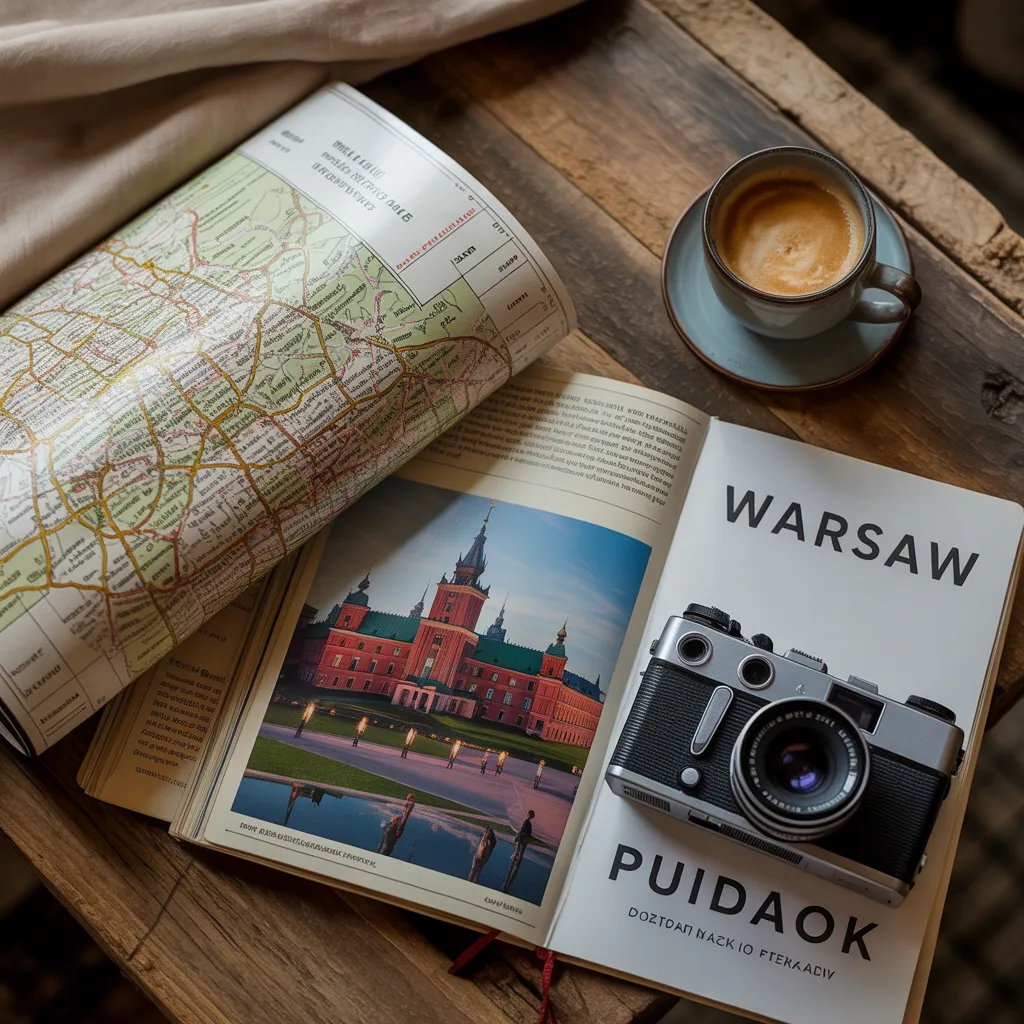
Must-Visit Historical Attractions in Warsaw
Upon visiting Warsaw, travelers will find that the city's storied past is evident in its impressive historical attractions. The Royal Castle, once the residence of Polish monarchs, represents the city's regal heritage, displaying stunning artistic and architectural works. Just adjacent, the Old Town, a UNESCO World Heritage Site, presents picturesque facades and ancient lanes, meticulously reconstructed after World War II. The Warsaw Uprising Museum offers a poignant glimpse into the city's resilience during the 1944 uprising, with interactive exhibits that engage visitors deeply. The Wilanów Palace, celebrated as the "Polish Versailles", boasts stunning gardens and baroque artistry that attract history enthusiasts. Additionally, the Tomb of the Unknown Soldier honors the sacrifices made during Poland's tumultuous history. Each attraction recounts a segment of Warsaw's history, encouraging discovery and contemplation for visitors eager to uncover its heritage.
Must-Try Polish Cuisine in Warsaw
Warsaw offers a diverse food scene that highlights the finest of Poland's culinary heritage. Visitors can savor essential local specialties, experience traditional comfort foods, and relish delightful sweet treats. Each dish tells a story, reflecting the city's culture and history.
Must-Try Local Delicacies
A gastronomic adventure through Warsaw showcases an array of essential local dishes that reflect Poland's vibrant food culture. Standing out from the rest, pierogi are a highlight—handcrafted dumplings loaded with various ingredients like potatoes, cheese, or mushrooms. Another highlight is the famous bigos, or hunter's stew, made with sauerkraut, fresh cabbage, and assorted meats, delivering robust and warming flavors. Also significant is żurek, a sour rye soup often served with sausage and egg, embodying traditional Polish tastes. As a documentation sweet conclusion, food enthusiasts suggest sernik, a velvety cheesecake prepared with twaróg cheese, and paczki, irresistible stuffed doughnuts famous for their prominence during Fat Thursday. All these dishes deliver a unique taste of Warsaw's rich gastronomic world, encouraging guests to explore the city's cuisine.
Timeless Polish Comfort Food Favorites
Though many meals represent Poland's gastronomic heritage, traditional Polish hearty dishes truly capture the spirit of home. One of the most cherished dishes is pierogi, dumplings stuffed with various ingredients such as potatoes, cheese, or sauerkraut, typically accompanied by sour cream. Another beloved dish is bigos, a hearty hunter's stew made from sauerkraut and different meats, slow-cooked to perfection. Żurek, a traditional rye soup, is equally beloved, usually served with sausage and hard-boiled eggs. For something warm and filling, placki ziemniaczane, or potato pancakes, are frequently paired with applesauce or sour cream. These recipes showcase Poland's deep agricultural roots and communal dining traditions, making them unforgettable culinary experiences for visitors exploring Warsaw.
Delightful Sweets to Savor
Poland's culinary landscape isn't complete without its collection of delicious sugary delights. Throughout Warsaw, travelers can enjoy an assortment of classic sweet dishes that highlight the nation's vibrant culinary traditions. A standout option is the famous Pączki, a classic filled pastry commonly savored on Fat Thursday; these fluffy delights typically feature jam, rose, or custard fillings. A popular choice is Sernik, a creamy cheesecake made from twaróg, a traditional Polish cheese variety, frequently garnished with fruit or chocolate. Makowiec, a poppy seed roll, delivers a distinctive taste and is frequently enjoyed during festive occasions. For a lighter choice, Kremówka is a delightful cream pastry stuffed with rich custard. Each sweet treat provides a window into Poland's rich culinary history, making them essential for any traveler.
Top Spots to Shop and Party in Warsaw
Warsaw buzzes with energy, offering a vibrant mix of shopping and nightlife that caters to all tastes. Visitors can explore the chic boutiques of Mokotów and the historic arcades of the Old Town, where local artisans showcase unique crafts. The celebrated Złote Tarasy shopping center merges international labels with cherished Polish selections, establishing it as a premier destination for shopping and culinary experiences.
When darkness descends, Warsaw becomes a vibrant party destination. The Praga district is famous for its eclectic bars and live music venues, welcoming a diverse crowd. Notable clubs like The View and Smolna deliver extraordinary experiences with top DJs spinning the latest tracks. For a relaxed atmosphere, stylish cocktail bars scattered throughout the city offer creative drinks in stylish settings. No matter if you desire retail therapy or a night out, Warsaw promises that every visitor finds their ultimate blend of shopping and fun.
Hidden Gems You Simply Must See in Warsaw
What secret wonders are concealed beneath the well-worn trails of Warsaw? Amidst the city's bustling attractions, several lesser-known sites deserve attention. The Neon Museum, situated within the Soho Factory, presents a distinctive array of neon signs dating back to Poland's communist period, providing a vivid window into history. In addition, the Museum of the History of Polish Jews, positioned at the center of the city, delivers compelling and illuminating knowledge about Warsaw's diverse Jewish culture, a facet often neglected by the average visitor.
Another gem is the peaceful Royal Lazienki Park, where visitors can enjoy serene strolls among grand palaces and well-kept gardens, well away from the tourist throngs. For art enthusiasts, the Zachęta National Gallery of Art features contemporary exhibitions that challenge perceptions and inspire dialogue. These sites embody the rich and varied heritage of the city, encouraging visitors to venture off the beaten path.
Getting Around Warsaw: Key Tips to Know
Maneuvering Warsaw's transport system can significantly improve a tourist's experience in the destination. With a variety of public transport options on offer, including buses, trams, and the metro, visitors can easily access key attractions. Understanding these options and tips for getting around is vital for a seamless journey.
Public Transport Options
Although the vibrant city of Warsaw provides a selection of public transport alternatives, understanding how to navigate them can greatly enhance a visitor's experience. The city features an comprehensive network of trams, buses, and the metro, making it easy to move between different areas. Both buses and trams run on frequent schedules, offering convenient connections to major landmarks. The metro, with its pair of lines, joins important neighborhoods and functions through the late hours. Passes can be obtained at kiosks or machines, with selections ranging from single rides to multi-trip tickets. In addition, the integrated system facilitates easy connections between modes of transport. Visitors may also take advantage of car-sharing options for added ease, enabling a seamless journey through the vibrant streets and hidden gems of Warsaw.
Tips for Getting Around
Exploring Warsaw effectively calls for a little insider knowledge to fully leverage the city's travel options. Tourists would benefit from getting to know the wide-ranging public transport network, which includes buses, trams, and the metro, all offering convenient and budget-friendly travel. Opting for a multi-day travel card can help conserve both time and funds. Those who prefer a more tailored travel experience will find taxis and ride-sharing options easily accessible, though using reputable apps or services is strongly recommended. Cycling presents an additional choice, as the city boasts a variety of bike-sharing schemes spread across its neighborhoods. Walking is encouraged in the city center, where many attractions are within easy reach. In conclusion, using mobile apps to pre-plan your routes can greatly streamline and enrich your overall experience getting around the city.
Seasonal Events and Festivals in Warsaw You Shouldn't Miss
As tourists venture through Warsaw, they will uncover a rich mosaic of annual festivals and events that reflect the city's rich cultural heritage. Every season brings distinctive experiences, beginning with the Warsaw Spring Festival, which honors classical music across magnificent venues. Summertime ushers in the energetic Jazz in the Old Town, where the streets resonate with soulful melodies.
Autumn is highlighted by the Warsaw Film Festival event, attracting cinephiles with a wide range of international films and discussions. Moreover, the city transforms during the Christmas season with the captivating festive market in the Old Town, where visitors can indulge in regional treats and artisan crafts.
Ultimately, the vibrant Warsaw Uprising Festival in August honors the city's storied past with cultural performances and exhibitions. Through participation in these events, travelers gain deeper insights into Warsaw's rich cultural heritage and community spirit, rendering their experience genuinely memorable.
Common Questions and Answers
When Is the Best Time to Visit Warsaw for Nice Weather?
The best time to visit Warsaw for pleasant weather is during late spring, specifically May and early June, when the weather is comfortable and ideal for outdoor pursuits, alongside flourishing parks and a lively urban atmosphere.
Are There Any Safety Concerns for Tourists in Warsaw?
Travelers in Warsaw generally have little to worry about in terms of safety, as the city is known to be secure. That said, as with any metropolitan destination, travelers should exercise caution regarding petty theft, especially in congested spots and well-known tourist attractions.
What Are the Local Currency Options and How Can I Exchange Money?
The official currency in Warsaw, Poland is the złoty (PLN). Tourists can exchange money at banks, currency exchange offices, and ATMs, often receiving more favorable rates at official exchanges rather than hotel desks or airport kiosks.
Do I Need a copyright Enter Poland as a Tourist?
No visa is required for tourists from a wide range of countries, including the Schengen Area and the United States, for periods not exceeding 90 days. Travelers should confirm their individual entry requirements before arranging their travel.
Is English Widely Spoken in Warsaw?
In Warsaw, English is commonly spoken, especially among younger people and in popular tourist destinations. A large number of signs can also be found in English, making it easier for visitors to navigate the city and connect with the local population.